Buy Chemo cannabis Flower
Chemo cannabis Germany: Explore reported 18–21% THC, indica genetics, CBD data, pine aroma, terpenes, effects, safety and medical-cannabis facts.
Chemo Cannabis Germany: THC, CBD, Effects, Terpenes & Strain Guide
Chemo, also known as UBC Chemo, is an indica-dominant cannabis cultivar recognized for its reportedly heavy physical effects, distinctive pine aroma, and dense, resin-rich flowers. It is commonly described as a 100% indica variety, although its precise genetic lineage is not consistently documented.
The cultivar has historically been associated with medical-cannabis discussions, particularly because of its name and reported use among people undergoing chemotherapy. However, a strain name or consumer report should not be treated as evidence that Chemo cannabis can treat cancer, chemotherapy side effects, or another medical condition.
Reported THC levels are generally around 18–21%, placing some examples in a relatively high-potency range. Reliable CBD information is less consistently available, so consumers should not assume a specific CBD percentage without laboratory testing.
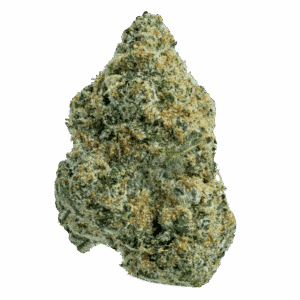
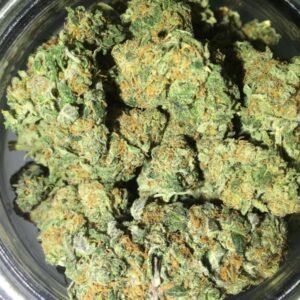
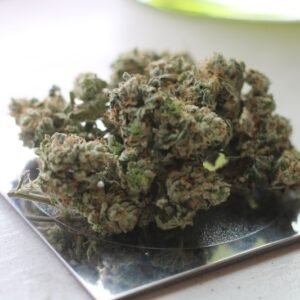
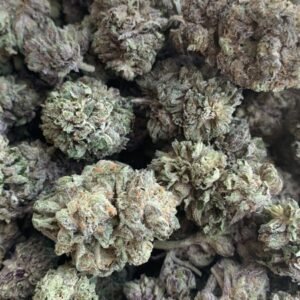
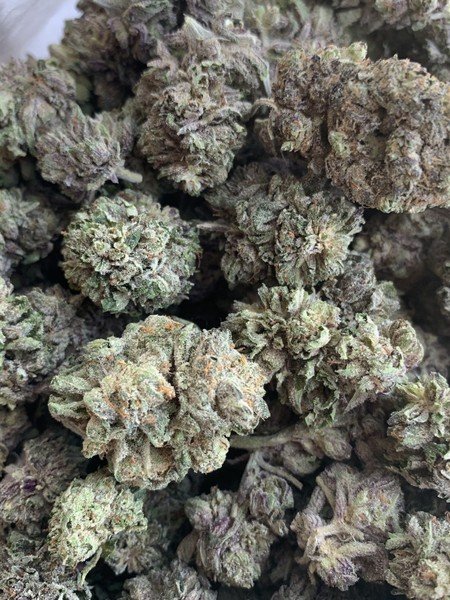
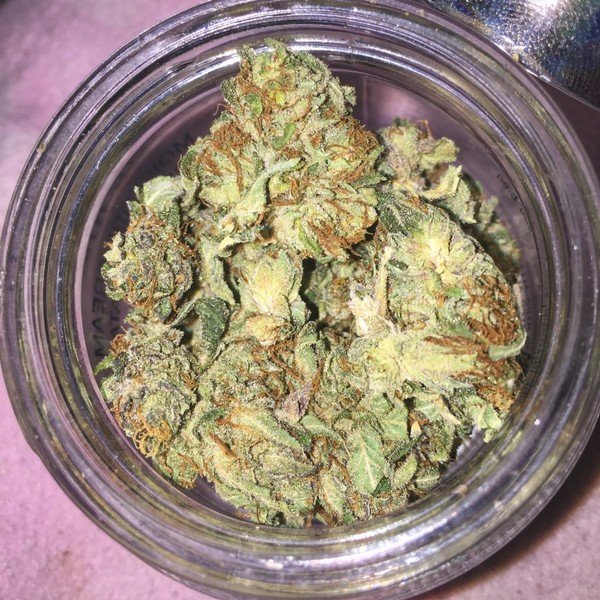
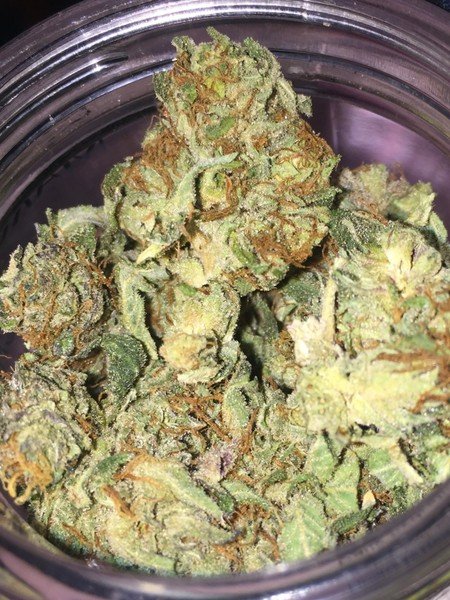
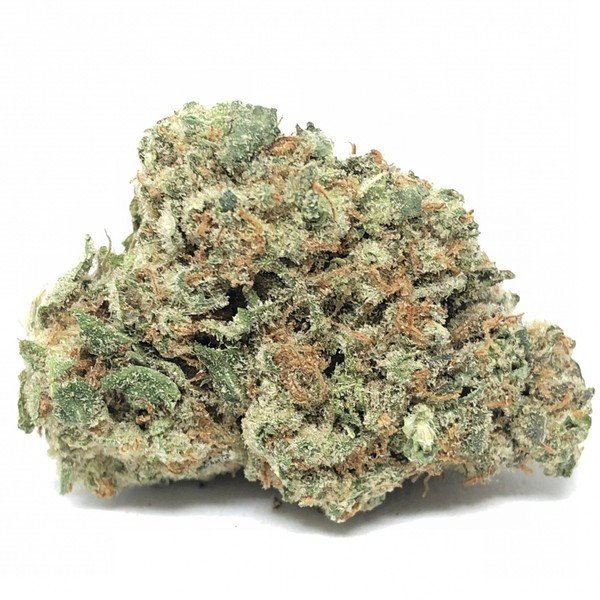
Chemo is also known for its distinctive sensory profile. Descriptions commonly mention pungent earth, pine, sweet floral notes, and a stronger resinous aroma. The flowers are often described as dark purple and compact, with orange hairs and substantial trichome coverage.
Important health information: Cannabis is not a substitute for cancer treatment. Anyone receiving chemotherapy or other cancer therapy should discuss cannabis use with their oncologist or another qualified healthcare professional. THC can interact with individual health conditions, medicines, and treatment plans.
Table of Contents
- Chemo Cannabis Overview
- Complete Chemo Strain Specifications
- THC and CBD Profile
- Genetics and Strain Type
- Chemo Cannabis Appearance
- Aroma and Flavor
- Terpene Profile
- Reported Effects
- Sedation and Physical Relaxation
- Appetite and Nausea Claims
- Potential Side Effects
- Chemo and Medical Cannabis
- Cancer and Chemotherapy: Important Distinction
- Chemo Cannabis in Germany
- German-Market Product Information
- E-E-A-T and Product Quality
- Frequently Asked Questions
- Final Overview
Chemo Cannabis: Quick Overview
Chemo, or UBC Chemo, is generally described as a pure indica cannabis cultivar with unknown or inconsistently documented genetics.
The cultivar is particularly notable for its reputation as a heavy, physically relaxing variety.
Reported characteristics include:
- Strong physical relaxation
- Sedating effects
- Euphoric sensations
- Possible appetite stimulation
- Dense, resinous flowers
- Pine and earthy aromas
- Sweet floral flavor
- Dark green to purple coloration
- Orange pistils
- Heavy trichome coverage
The reported THC range of approximately 18–21% can make some examples relatively potent.
Actual potency should always be determined from laboratory testing for the specific product.
Chemo Strain Specifications
| Attribute | Chemo / UBC Chemo |
|---|---|
| Strain type | Pure indica, according to common strain descriptions |
| Indica/Sativa ratio | Reported as 100% indica |
| Genetics | Unknown or inconsistently documented |
| Reported THC | Approximately 18–21% |
| CBD | No consistently verified percentage |
| Flower structure | Dense, compact, resinous |
| Color | Dark green to purple |
| Pistils | Dark orange to amber |
| Trichomes | Thick white/crystalline coverage |
| Aroma | Earthy, pine, pungent |
| Flavor | Sweet floral pine with earthy notes |
| Reported effects | Relaxing, heavy, euphoric, potentially sedating |
| Commonly reported character | Strong physical effects |
| Medical status | Strain claims do not establish medical efficacy |
These specifications are general strain-profile information. They should not be interpreted as guaranteed specifications for every product sold under the Chemo or UBC Chemo name.
Chemo THC Content
Chemo is commonly reported to contain approximately 18–21% THC.
THC, or tetrahydrocannabinol, is the primary intoxicating cannabinoid in cannabis.
A product containing THC at this level may produce noticeable psychoactive effects. The experience can include changes in mood, perception, attention, coordination, and reaction time.
Potency can vary because of:
- Genetic differences
- Phenotype
- Growing conditions
- Harvest timing
- Drying and curing
- Storage
- Laboratory methodology
For that reason, the strain name should not be considered a substitute for a current certificate of analysis.
Chemo CBD Content
Reliable CBD information for Chemo is limited.
Unlike the commonly reported THC range, there is no single CBD percentage that can safely be presented as universal for this cultivar.
CBD, or cannabidiol, is a cannabinoid that does not produce the same intoxicating effect as THC.
Consumers who require a particular THC-to-CBD ratio should check laboratory results for the exact batch rather than relying on general strain descriptions.
Chemo Genetics and Strain Type
Chemo is generally described as a pure indica cultivar.
Its precise genetic background is not consistently documented, which makes definitive claims about its ancestry difficult to verify.
This is an important distinction for E-E-A-T-focused cannabis content.
Where genetic information is uncertain, a professional product description should state that the lineage is undocumented or disputed rather than inventing a specific parentage.
The indica classification is primarily based on commonly reported strain information.
Chemo Cannabis Appearance
Chemo flowers are commonly described as compact, dense, and highly resinous.
Typical visual characteristics include:
- Dark green coloration
- Purple hues
- Spade-like flower shapes
- Dense structure
- Dark orange or amber pistils
- White crystalline trichomes
- Sticky resin
The strong trichome coverage can give mature flowers a frosted appearance.
Purple coloration can be influenced by genetics and environmental factors, so color alone should not be used to determine potency, freshness, or quality.
Chemo Aroma
The aroma of Chemo is commonly described as strong and pungent.
The dominant sensory characteristics include:
- Pine
- Earth
- Herbal notes
- Sweet floral tones
- Resinous aromas
The pine character is particularly prominent in many descriptions of UBC Chemo.
Aroma intensity depends on the concentration of volatile compounds and can change during drying, curing, and storage.
Chemo Flavor
Chemo is generally associated with a combination of sweet and earthy flavors.
Common descriptions include:
- Sweet pine
- Floral notes
- Earth
- Herbal undertones
- Pungent characteristics
The flavor may become stronger as the flower is handled or heated.
However, flavor descriptions are subjective and can vary between phenotypes and batches.
Chemo Terpene Profile
The exact terpene profile of Chemo cannot be reliably established without laboratory testing.
Its reported pine, earthy, floral, and herbal characteristics may be associated with several cannabis terpenes.
| Terpene | Common aroma association |
|---|---|
| Myrcene | Earthy, herbal |
| Pinene | Pine, fresh, forest-like |
| Caryophyllene | Peppery, spicy |
| Limonene | Citrus, fresh |
| Linalool | Floral, sweet |
This is a sensory reference rather than a confirmed Chemo laboratory profile.
A product-specific terpene analysis is the appropriate way to determine which terpenes are actually present and at what concentrations.
Reported Chemo Cannabis Effects
Chemo is commonly described as having a strong physical effect.
Reported characteristics include:
- Deep relaxation
- Euphoria
- Physical heaviness
- Drowsiness
- Sedation
- Reduced mental activity
- Appetite stimulation
Some descriptions characterize the onset as gradual, with physical heaviness becoming more noticeable as the effects develop.
The experience can vary substantially from person to person.
Factors such as THC concentration, tolerance, individual sensitivity, medications, and environment can influence the effects.
Chemo and Sedation
Sedation is one of the most frequently reported characteristics associated with Chemo.
Consumers may describe a heavy body sensation or difficulty remaining physically active.
For that reason, THC-rich cannabis should not be used before driving or operating machinery.
The degree of sedation depends on the individual and the specific product.
It is also important to distinguish between reported subjective effects and clinically established therapeutic effects.
Chemo, Appetite and Nausea
Chemo is sometimes described in cannabis literature as being associated with appetite stimulation and relief from nausea.
However, this does not mean that the cultivar itself has been clinically proven to treat nausea caused by chemotherapy.
Cannabinoid medicines have been studied for certain symptoms, including chemotherapy-related nausea and vomiting, but evidence relating to a specific cannabis cultivar cannot automatically be transferred from broader cannabinoid research.
Patients undergoing cancer treatment should discuss cannabis use with their medical team.
Chemo and Cancer Treatment
The name Chemo can create confusion because it is frequently associated with chemotherapy.
The name does not mean that the cultivar treats cancer or chemotherapy.
Cannabis should never replace:
- Chemotherapy
- Radiation therapy
- Surgery
- Immunotherapy
- Targeted cancer therapy
- Other prescribed cancer treatments
People undergoing cancer treatment may also be taking several medications at the same time.
Cannabis and cannabinoids can have effects that are relevant to medication interactions, sedation, appetite, blood pressure, and other clinical factors.
For that reason, professional medical advice is especially important for cancer patients.
Potential Side Effects
THC-containing cannabis can produce unwanted effects.
Potential side effects include:
- Dry mouth
- Dry eyes
- Dizziness
- Drowsiness
- Reduced coordination
- Impaired attention
- Increased heart rate
- Anxiety
- Paranoia
- Headache
- Confusion
Higher THC exposure can increase the likelihood or intensity of some unwanted effects.
People who are particularly sensitive to THC may experience anxiety or uncomfortable psychoactive effects even at lower concentrations.
Persistent or severe symptoms require appropriate medical attention.
Chemo Cannabis and Medical Cannabis in Germany
Germany distinguishes between cannabis for non-medical use and medicinal cannabis.
According to the Federal Ministry of Health, medicinal cannabis remains available by prescription and is regulated separately from the framework governing non-medical cannabis.
This distinction is important for German-market content.
A cannabis cultivar’s presence in strain databases does not automatically mean that it is available as a medicinal product in Germany.
Medicinal cannabis products are subject to requirements concerning medical prescribing, pharmaceutical supply, and quality.
The German Federal Ministry of Health also states that cultivation of cannabis for medicinal purposes in Germany is subject to authorization and regulatory oversight by the Federal Institute for Drugs and Medical Devices (BfArM).
German-Market Product Information
For a professional German cannabis website, product information should be transparent and evidence-based.
Useful specifications include:
Cannabinoid Information
Display the laboratory-tested THC and CBD concentrations for the specific batch.
Terpene Information
If laboratory testing is available, provide the measured terpene profile rather than presenting estimated terpenes as confirmed facts.
Genetic Information
Clearly distinguish between verified genetics and commonly reported lineage.
Batch Information
Batch identifiers improve traceability and transparency.
Medical Claims
Avoid statements such as “Chemo cures cancer” or “Chemo treats chemotherapy” unless there is specific, high-quality clinical evidence supporting the exact claim.
Legal Information
Explain the relevant German legal framework and avoid implying that an ordinary online listing automatically authorizes commercial sale or delivery.
The Federal Ministry of Health confirms that medicinal cannabis remains prescription-based.
E-E-A-T Considerations for Chemo Cannabis Content
Because cannabis and health information fall into a higher-risk content category, strong E-E-A-T practices are particularly important.
A trustworthy page should:
- Identify the source of cannabinoid data.
- Distinguish reported effects from medical evidence.
- Avoid guaranteed health outcomes.
- Provide appropriate safety information.
- Use current legal information.
- Avoid unsupported THC or CBD claims.
- Encourage professional medical advice where appropriate.
- Update regulatory information when laws change.
This approach is more credible than presenting anecdotal strain descriptions as established medical facts.
Frequently Asked Questions About Chemo Cannabis
What is Chemo cannabis?
Chemo, commonly called UBC Chemo, is generally described as a pure indica cannabis cultivar with unknown or inconsistently documented genetics.
Why is it called Chemo?
The cultivar has historically been associated with medical-cannabis discussions and chemotherapy-related use claims. The name should not be interpreted as evidence that it treats cancer or chemotherapy.
Is Chemo an indica?
Yes. Common strain descriptions classify Chemo as a 100% indica cultivar, although exact genetic documentation is limited.
What is the THC level of Chemo?
Chemo is commonly reported at approximately 18–21% THC. Actual potency can vary between products and batches.
What is the CBD level of Chemo?
There is no consistently documented CBD percentage that can be applied to every Chemo product. Laboratory testing should be used for an accurate result.
What does Chemo cannabis smell like?
Its reported aroma includes pungent pine, earth, herbal notes, and sweet floral characteristics.
What does Chemo cannabis taste like?
Common descriptions include sweet pine, floral notes, earth, and pungent herbal flavors.
What are the reported effects of Chemo?
Consumer descriptions commonly mention strong physical relaxation, euphoria, heaviness, drowsiness, and possible appetite stimulation.
Is Chemo sedating?
It can be. Chemo is frequently described as a heavy indica with potentially strong sedating effects.
Can Chemo cause anxiety?
Yes. Like other THC-containing cannabis products, Chemo can cause anxiety or paranoia in some individuals.
Is Chemo suitable for beginners?
The reported 18–21% THC range can be relatively potent. Individual sensitivity varies, so beginners should not assume that a particular strain will produce mild effects.
Can Chemo treat cancer?
There is no basis for presenting Chemo cannabis as a cancer treatment. Cannabis should never replace evidence-based cancer care.
Can Chemo help chemotherapy-related nausea?
Cannabinoid medicines have been studied for chemotherapy-related nausea and vomiting, but that evidence should not automatically be interpreted as proof that the Chemo cultivar itself provides a medical treatment.
Patients receiving chemotherapy should consult their oncology team.
Is Chemo medical cannabis in Germany?
The cultivar name alone does not determine medical status. Medicinal cannabis in Germany is prescription-based and regulated separately from non-medical cannabis.
Can medicinal cannabis be prescribed in Germany?
Yes. The Federal Ministry of Health confirms that medicinal cannabis can continue to be prescribed under the applicable medical-cannabis framework.
What should consumers check before evaluating Chemo cannabis?
Important information includes THC, CBD, laboratory testing, batch details, terpene data, producer information, and legal status.
Final Overview
Chemo, or UBC Chemo, is a distinctive indica cannabis cultivar commonly associated with strong physical relaxation, a potentially sedating character, dense resinous flowers, and a pungent pine-and-earth aroma.
Reported THC levels of approximately 18–21% suggest that some examples can be relatively potent. However, cannabinoid concentrations vary between batches, so laboratory testing remains the best way to establish the actual THC and CBD content.
Its dark green-to-purple flowers, orange pistils, white trichomes, and sweet floral-pine flavor contribute to its recognizable profile.
The cultivar’s association with chemotherapy requires particular care when writing commercial or informational content.
Chemo should not be presented as a treatment for cancer or as a replacement for chemotherapy. Reports about appetite, nausea, pain, insomnia, or other symptoms should be identified as reported effects rather than guaranteed medical outcomes.
For German consumers, medicinal cannabis is regulated separately from non-medical cannabis and remains available through prescription under the applicable framework.
A high-quality Chemo product page should therefore combine transparent cannabinoid information, reliable laboratory data, clear safety information, responsible medical language, and accurate German regulatory information.